
The Power of Sanskrit: Connecting Through Ancient Wisdom and the Language of the Universe
- संस्कृत का उदय

- May 5
- 3 min read
Sanskrit is often called the most powerful language in the world. Unlike many modern languages, it is not just a means of communication but a key to understanding the universe itself. This ancient language holds the secrets of creation, destruction, and the cosmic order through its sacred texts like the Vedas and mantras. With thousands of languages spoken worldwide, Sanskrit stands out as a unique bridge connecting humanity to divine knowledge and universal truths.
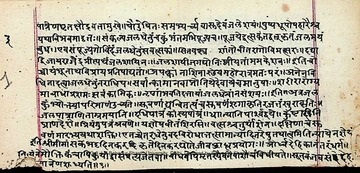
The Vastness of World Languages and Sanskrit’s Unique Place
There are over 7,000 languages spoken across the globe today. Each language carries its own culture, history, and worldview. However, most languages evolve primarily for daily communication and social interaction. Sanskrit differs because it was designed with precision to express complex philosophical and spiritual ideas.
Ancient origin: Sanskrit dates back more than 3,000 years, making it one of the oldest known languages still in use.
Structured grammar: Its grammar system, codified by the ancient scholar Panini, is highly systematic and logical.
Phonetic clarity: Every sound in Sanskrit has a specific vibration believed to influence the mind and body.
This combination makes Sanskrit not just a language but a tool to explore the universe’s fundamental principles.
Sanskrit and the Vedas: The Foundation of Universal Knowledge
The Vedas are ancient scriptures written in Sanskrit. They contain hymns, prayers, rituals, and philosophical teachings that form the foundation of Indian spiritual thought. These texts are considered timeless and universal, offering insights into the nature of existence, consciousness, and the cosmos.
Rigveda: Contains hymns praising natural forces and cosmic principles.
Yajurveda: Focuses on rituals and ceremonies.
Samaveda: Known for its musical chants.
Atharvaveda: Includes spells, healing mantras, and practical wisdom.
The Vedas are not just religious texts but a guide to understanding the universe’s creation and destruction cycles. They describe how everything is interconnected and how sound, especially sacred mantras, can influence reality.
Mantras: The Vibrations That Connect Us to the Universe
Mantras are sacred sounds or phrases in Sanskrit believed to carry spiritual power. Chanting mantras is a practice that aligns the mind and body with cosmic vibrations. This alignment helps individuals connect with higher states of consciousness and divine energy.
Creation through sound: According to Vedic philosophy, the universe originated from primordial sound (Om).
Healing and transformation: Mantras can calm the mind, reduce stress, and promote healing.
Protection and destruction of negativity: Certain mantras are used to dispel negative energies and obstacles.
For example, the Gayatri Mantra is one of the most powerful and widely chanted mantras. It invokes the universal light of knowledge to illuminate the mind.
Why Sanskrit Is Called the Language of the Universe
Sanskrit’s structure and sounds are believed to mirror the natural laws of the cosmos. Unlike many languages that change over time, Sanskrit has remained remarkably consistent, preserving its original form and meaning.
Mathematical precision: Sanskrit grammar follows clear rules that reflect natural patterns.
Sound and meaning connection: Each word’s sound is closely linked to its meaning, creating a direct relationship between language and reality.
Universal applicability: Sanskrit concepts apply beyond culture or geography, addressing universal truths.
This makes Sanskrit a powerful tool for meditation, scientific inquiry, and spiritual growth. Scholars and practitioners believe that understanding Sanskrit can unlock deeper knowledge about the universe and our place within it.
Practical Examples of Sanskrit’s Influence Today
Sanskrit’s impact extends beyond ancient texts. It influences modern fields such as linguistics, computer science, and yoga.
Linguistics: Panini’s grammar is considered one of the earliest examples of formal language description, influencing modern linguistics.
Computer science: Some researchers study Sanskrit’s structure for developing programming languages and artificial intelligence due to its clarity and precision.
Yoga and meditation: Sanskrit mantras and terminology are integral to yoga practice worldwide, helping practitioners connect with their inner selves.
These examples show how Sanskrit continues to connect people across cultures and disciplines.
How Learning Sanskrit Can Deepen Your Connection to the Universe
Studying Sanskrit opens a door to ancient wisdom and a deeper understanding of life’s mysteries. It allows you to:
Access original spiritual texts without translation errors.
Experience the vibrational power of mantras firsthand.
Gain insight into the interconnectedness of all things.
Develop mental clarity and focus through precise language use.
Even a basic knowledge of Sanskrit can enrich your spiritual practice and broaden your worldview.

Comments